

How to Order Glass Accurately Without Mistakes: What Type of Wooden Template Should You Use?
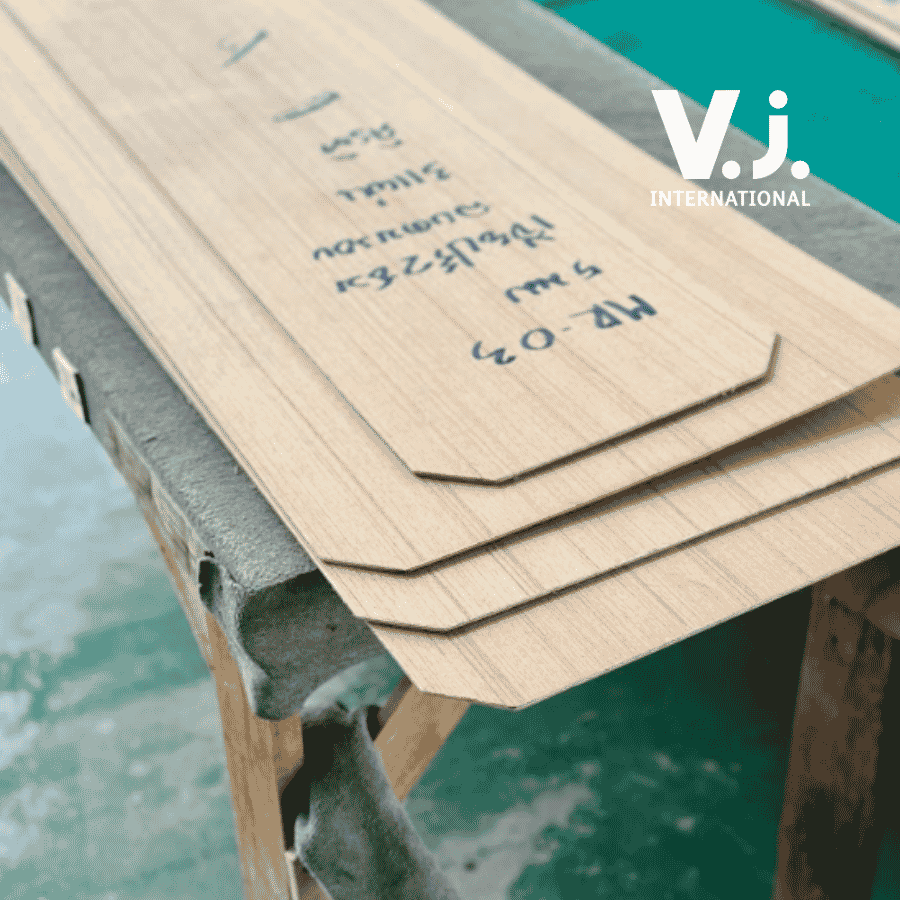
Have you ever wondered why some glass installations fit perfectly with seamless precision, while others end up with frustrating gaps? The secret is not just the glass itself, but also the “wooden template” used to communicate the exact specifications to the glass factory.
Let’s take a closer look at which type of wood you should choose for frames or templates when ordering custom glass work, so you can achieve the most accurate and suitable results for your project.
Wood Used for Making Templates for Custom Glass Cutting
For custom-shaped glass projects such as curved, circular, or angled designs that cannot be accurately measured with a tape measure, creating a wooden template is essential. The recommended template thickness should be at least 3 mm, with 4–6 mm being ideal.
Recommended Wood Types:
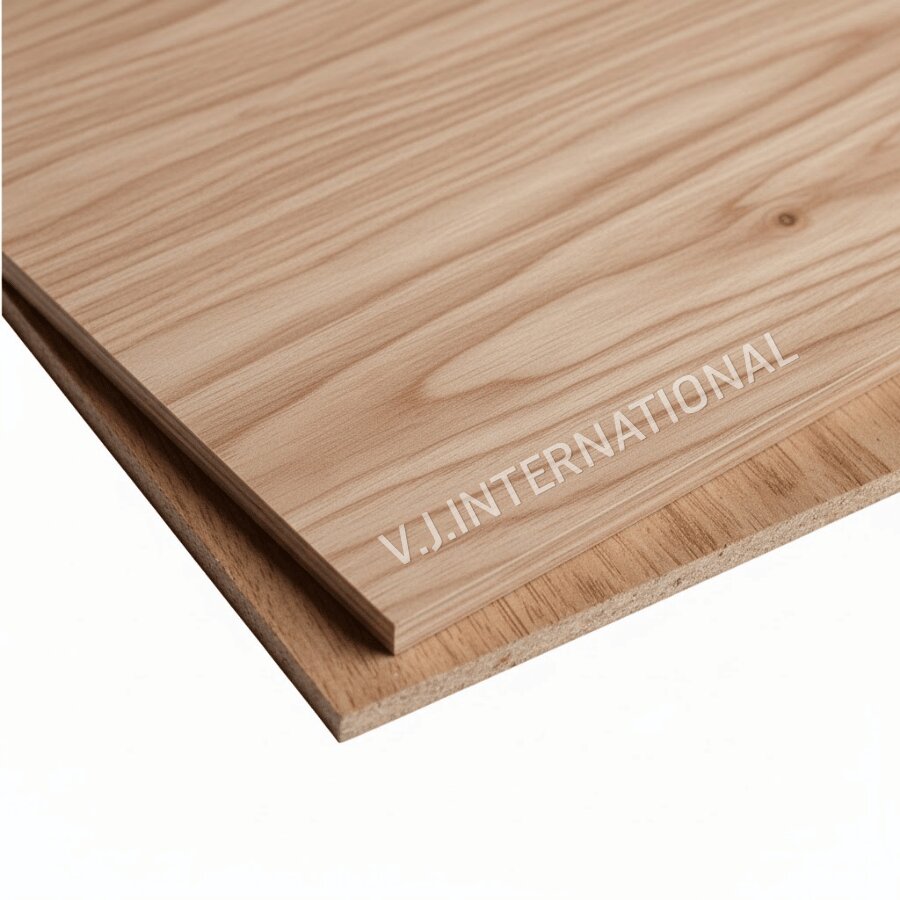
Plywood: Offers high stability and does not easily expand or shrink when exposed to heat or humidity on-site. It is also strong enough to resist warping during transportation to the factory.
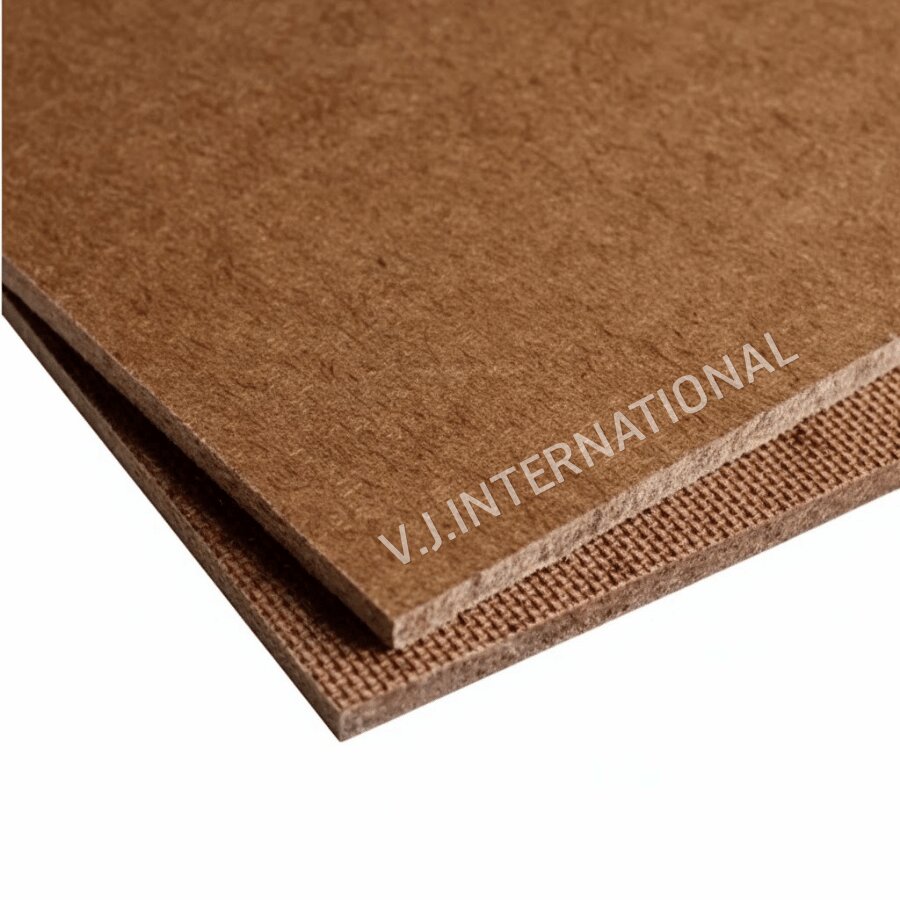
Hardboard: Features a smooth surface and can be easily shaped with a hand saw, making it ideal for curved designs that require high precision and detail.
Pro Tip
From experience, it is best to avoid using corrugated cardboard or foam board (future board) as templates for large glass projects. These materials are too flexible and can bend easily, which may cause measurement inaccuracies of up to 2–5 mm — a significant margin of error in glass work.
Accurate glass work starts with choosing the right type of wood for your template. If you are looking for high-quality custom-cut and polished glass tailored to your design, contact VJ Interglass at 084-525-2311 or add LINE: @Vjinterglass to request a quotation.